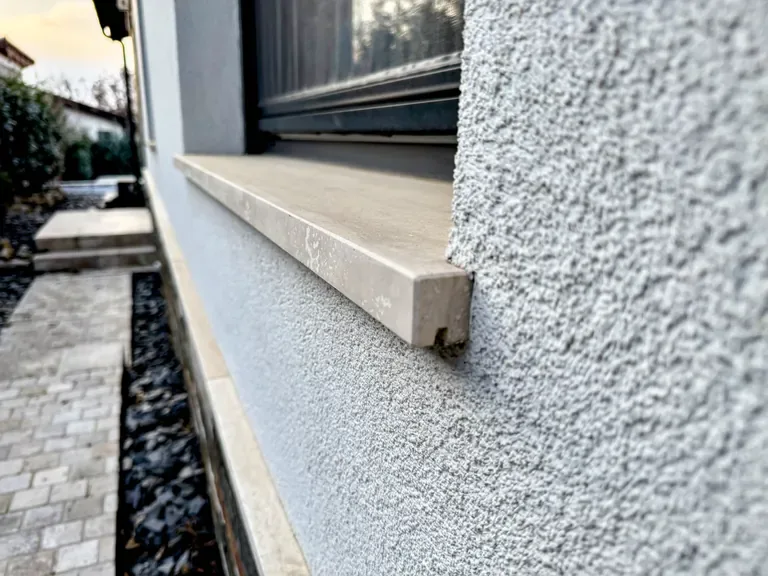
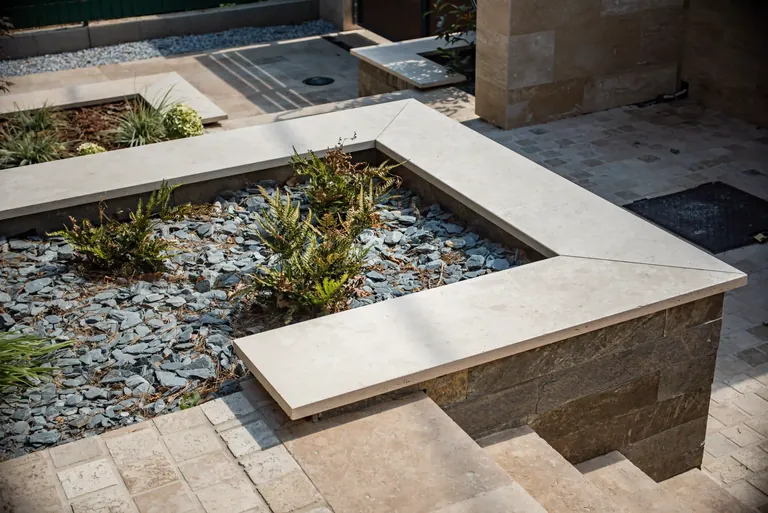
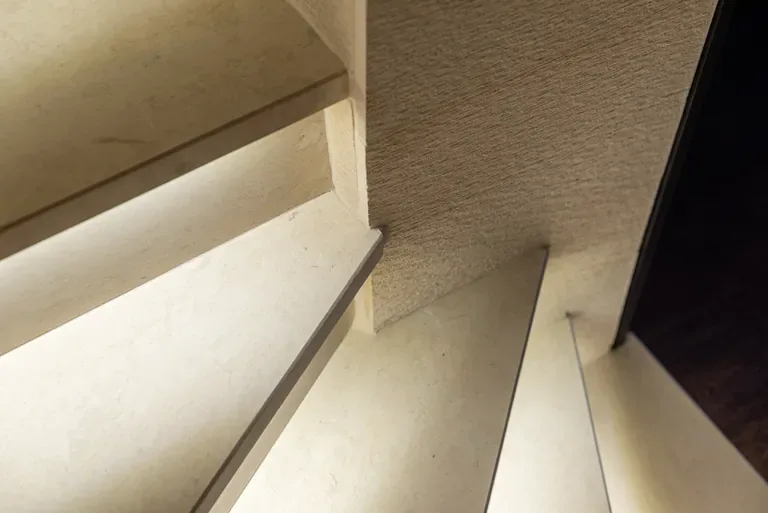
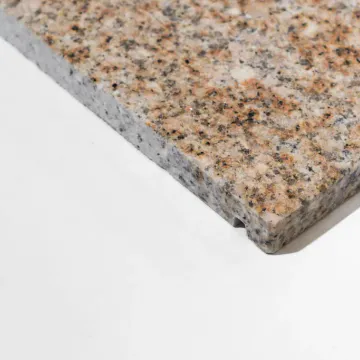
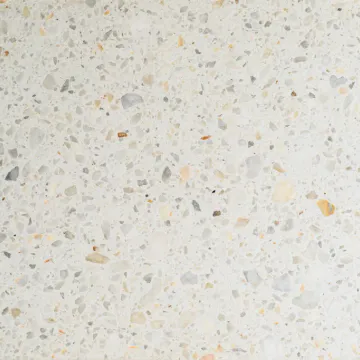
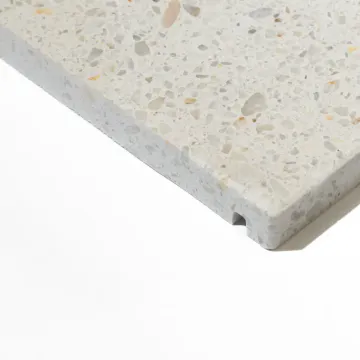
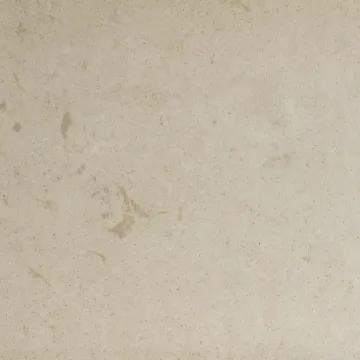
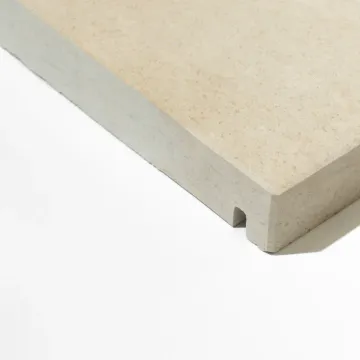
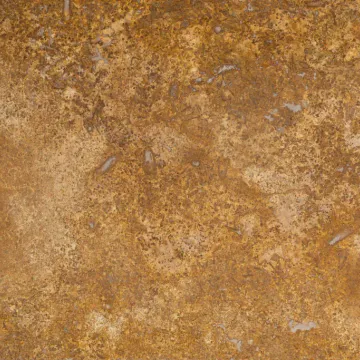
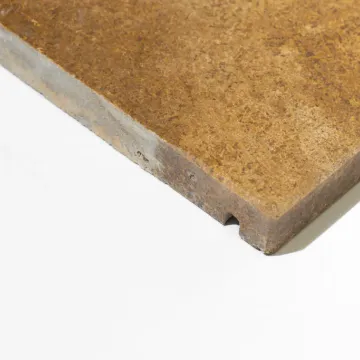
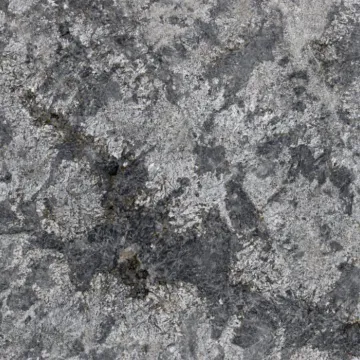
From indoor window sills to garden steps, we cut each piece to your measurements. Choose your stone, enter the dimensions and select the exposed edges to see the price.
With these few rules, each piece will fit exactly.
Window sill
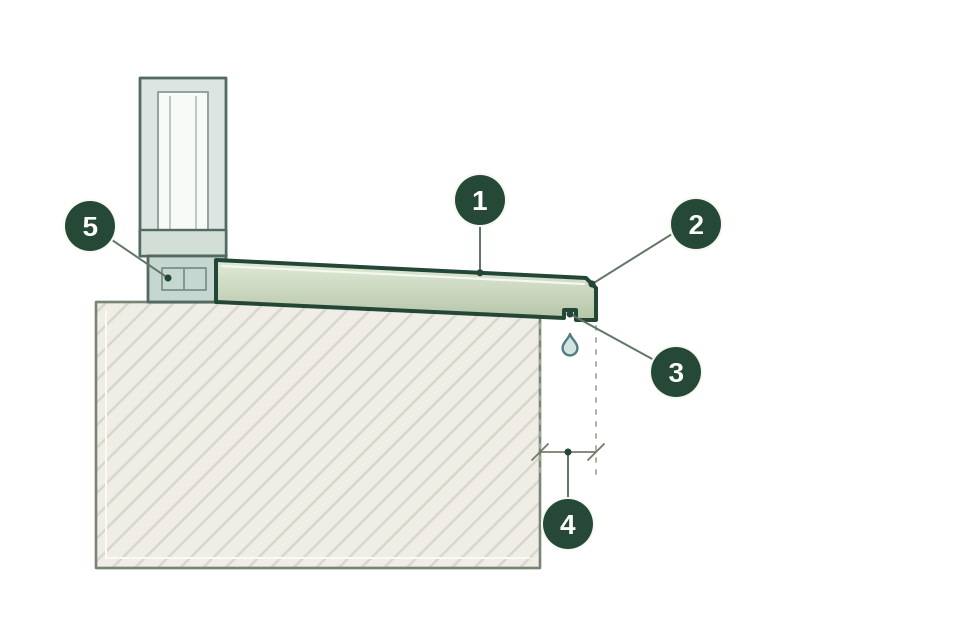
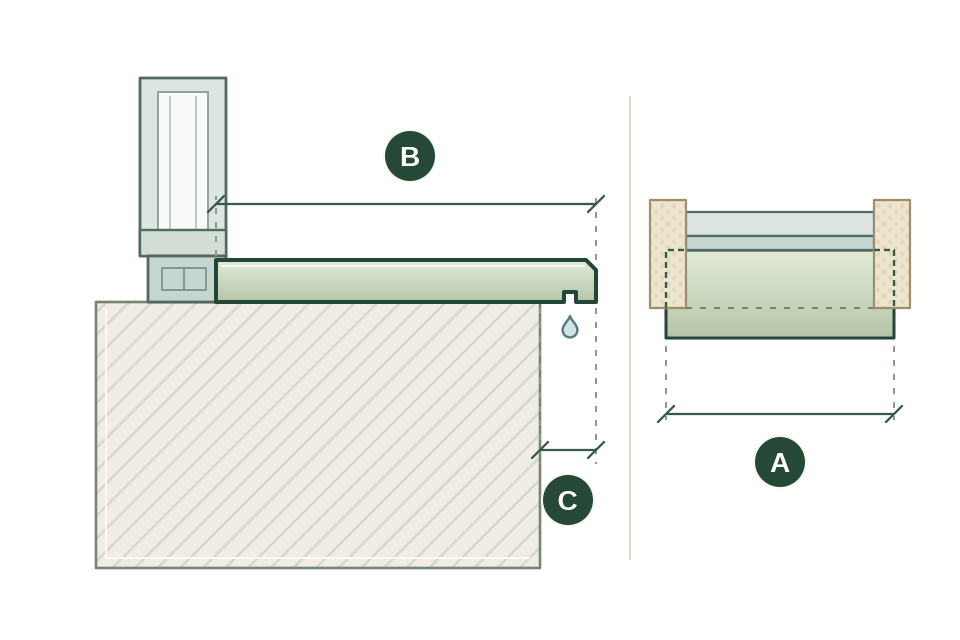
A – Length: measure the width of the wall opening and add the length that extends under the insulation on each side. For exterior sills, we recommend a 2 cm extension on each side.
B – width (depth): measure from the outer face of the sill receiver profile to the finished face of the façade, then add the overhang (C) and the approximately 5 mm that fits into the profile.
C – overhang: measure from the finished wall face to the front edge of the sill. We recommend an overhang of at least 3 cm outdoors and 2 cm indoors.
Measure at three points and give the smallest value - the wall openings are rarely exactly right-angled.
Interior window sill
Add a 2 cm overhang to the depth from the frame to the finished interior wall face. No drip groove is needed.
Common mistake
Measuring the depth before plastering or cladding leaves the sill too short.
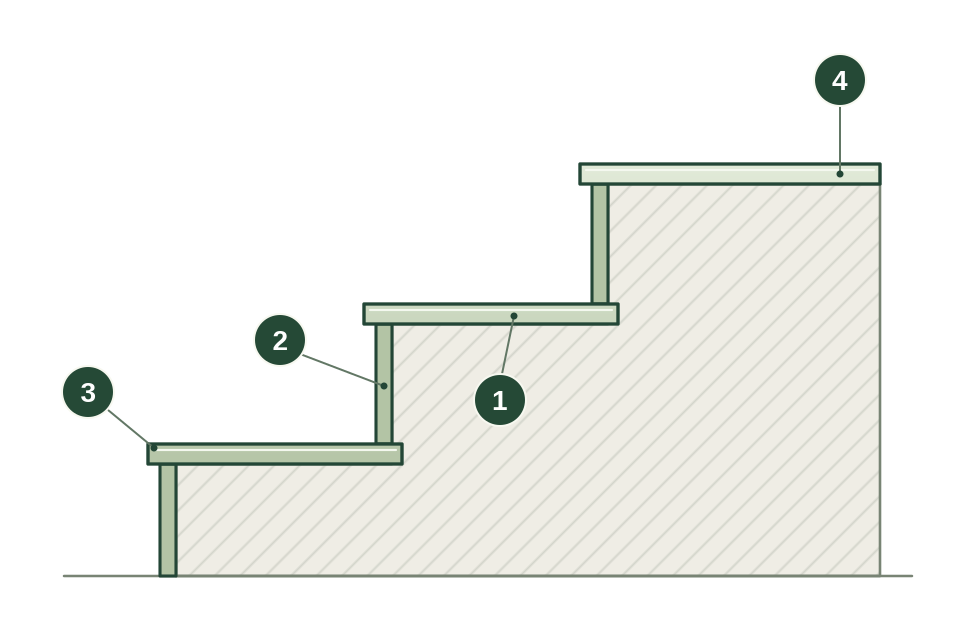
Stair tread
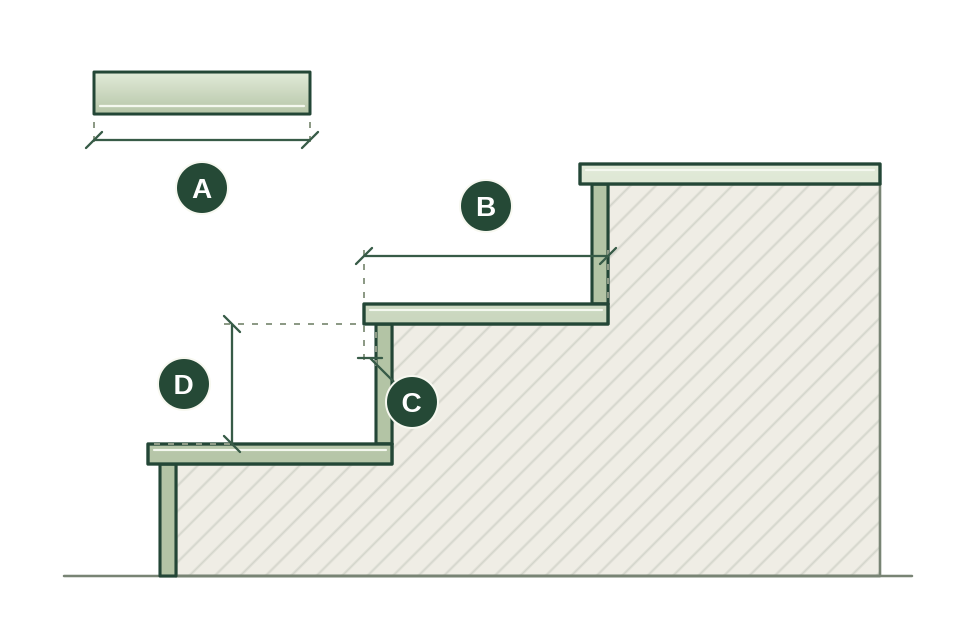
A – Length: measure each step from wall to wall or to the open side.
B – tread depth: measure each tread from its front edge to the rear edge beneath the riser above.
C – nosing projection: tell us if you need a custom dimension.
D – riser panel height: for each step, measure from the top surface of the lower tread to the underside of the upper tread.
The thickness of the cladding changes the rise of the first and last steps. Let us know if the floor will also be resurfaced.
Common mistake Outdoor treads are sometimes installed without an outward slope. The thickness of the adhesive layer is also often overlooked when measuring.
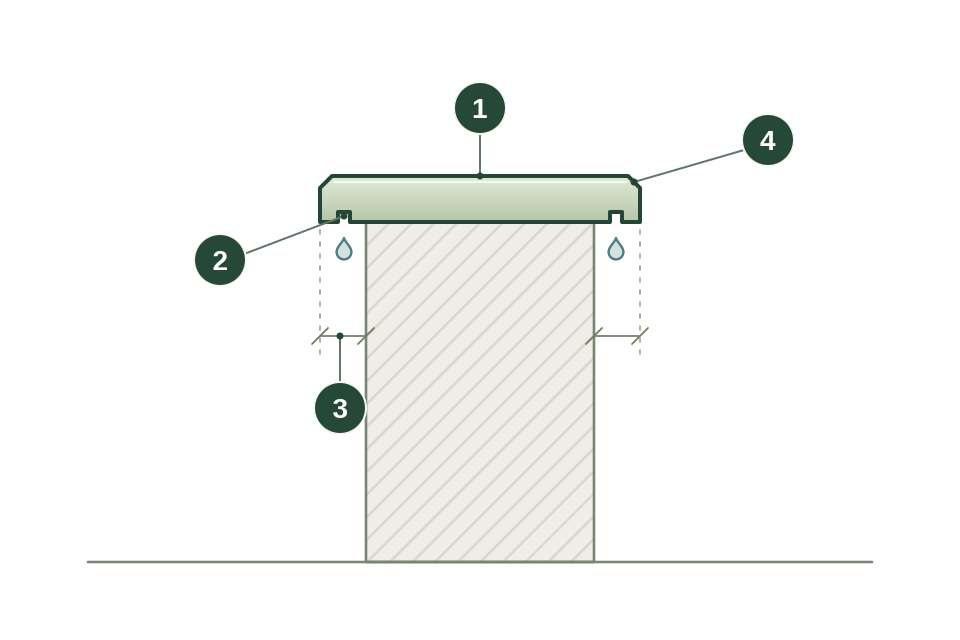
Coping
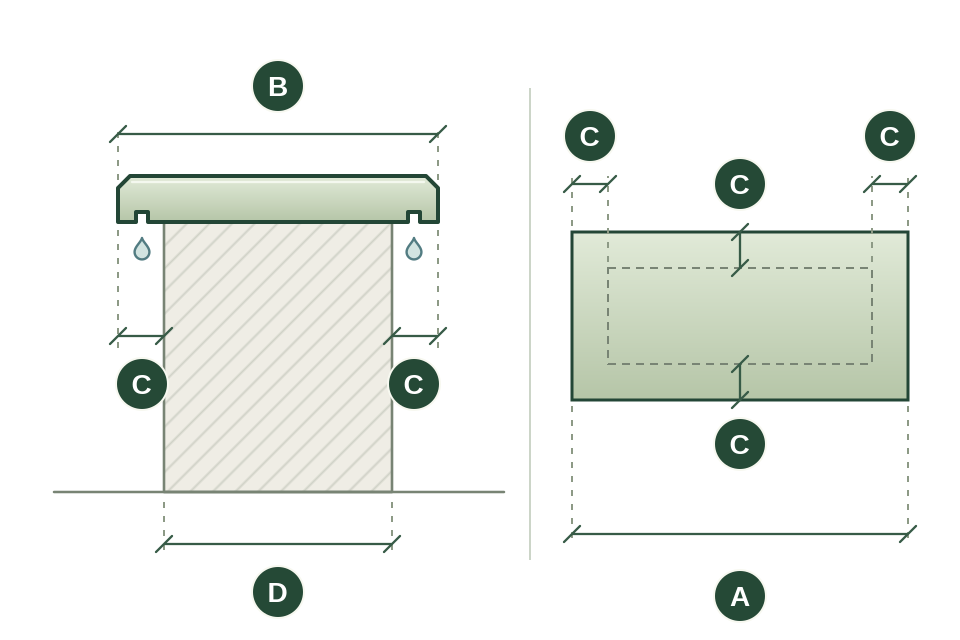
A – Length: give the length for each wall section.
B – total width: measure the wall thickness (D). Allow an overhang (C) of 3 cm on every side when sizing the coping.
Order a separate cap for each pillar and give both dimensions of the pillar.
Common mistake Leaving out the overhang puts the drip groove directly over the wall, so rainwater runs down its face.
Stone terms explained
Drip groove, chamfer, riser? Find the terms used in our calculator and quotes here.
Products+
Window sill
The outer stone slab under the window, which drains the rainwater from the facade.
Interior window sill
The stone sill on the inside of a window. It has no drip groove.
Wall coping
A stone slab covering the top of a boundary wall, retaining wall or pillar.
Stair tread
The horizontal face of the stairs we step on.
Riser
The vertical stone slab between the two steps.
Landing
Larger flat surface at the top of the stairs.
Edges and drip grooves+
Drip groove
A groove cut into the underside of the stone that allows water to drip clear of the wall.
Exposed edge
An edge that remains visible after installation and receives a finished surface.
Sill return
The short end of the window sill that extends into the reveal.
Overhang
How far the stone projects beyond the wall face, or a stair tread beyond its riser.
Chamfering
A 45° bevel on an exposed edge makes it more resistant to chipping and gives it a neat finish. We offer it together with edge grinding.
Edge grinding and polishing
We grind the exposed edge to match the finish of the slab. Edge grinding is available together with chamfering.
Surface finishes+
polished (glossy)
A mirror-like surface that highlights the pattern of the stone.
Honed
A smooth but not shiny surface with a restrained appearance.
Flamed
A surface roughened with heat, especially for granite.
Filled
Travertine's pores are filled, making it smoother and easier to clean.
Dimensions and pricing+
Thickness
The thickness of the stone: 2 or 3 cm for a window sill and 2, 3 or 5 cm for a wall coping.
length × width
The size of the finished piece is in centimeters, as you enter it in the calculator.
m² (square meter)
The price of the raw material is based on the surface of the stone.
Linear metre
Edge finishing and drip grooves are priced by length.
Installation and Care+
Glue
It is used to fix the stone - you will also find glue for stone in our offer.
Grout
The material used to fill the joints between stone slabs.
silicone
Flexible seal between the stone and the window case or the wall.
Sealing stone
A protective layer that reduces the absorption of water and dirt.
Cleaning
Use a pH-neutral stone cleaner. Acidic cleaners can damage the surface.
From measuring to collection
We make the stone pieces. You or your installer take the measurements, and your installer fits the stone. Our measuring guide helps you get a precise fit.
1
Take measurements
Follow our guide to measure the opening, wall or stairs in centimetres.
2
Calculate the price
Choose the stone, dimensions, drip grooves and exposed edges in the calculator to see the price immediately.
3
order it
Add your pieces to the basket or request a quote for a larger quantity.
4
Manufacturing in our own workshop
We cut to size, grind the edges and cut the drip grooves, then inspect and pack the pieces securely. Allow 2–4 weeks from ordering.
5
Collection or delivery
Collect the finished pieces in person or have them delivered to you.
What is the difference between an interior and an exterior window sill?+
An exterior sill has a drip groove on its underside. Rainwater drips off here instead of running back to the façade. Interior sills do not need a drip groove. Both come in 2 or 3 cm thicknesses. We recommend 3 cm outdoors for better resistance to weather and loads.
Do the slabs come with finished surfaces and edges?+
Yes. We grind the exposed long edge and chamfer its top and bottom corners. We also finish any short ends that will be visible after installation. Your slab arrives ready to fit, with no further grinding needed.
Which stone should I choose for outdoors?+
For outdoor use, we recommend frost-resistant stone such as travertine, Vraca limestone or granite. Marble agglomerate is also available, though it weathers less well than natural stone. For steps, choose a matt or flamed finish for better grip.
How do I measure a window sill, stair tread or wall coping?+
Our “How to measure” section shows which measurements to take for each piece. If you are unsure, send us a sketch or photo with the dimensions so we can check them.
Can I order it to a custom size and how do I get a price?+
Every piece is made to measure. Enter your dimensions in the calculator to see the price immediately. For a personal quote, use our enquiry form or visit the showroom.
What is the production time?+
Lead time depends on the quantity. Usually, production takes 2–4 weeks from the date of order. Expedited production may be available for a surcharge.
Can I request a quote without using the calculator?+
Yes. Use our enquiry form, email us or visit our showroom. Our team will be happy to help.
Can I collect my order, or do you offer delivery?+
You can collect the finished pieces at our premises or have them delivered directly to the building site. Include the delivery address in your enquiry so we can calculate the cost.
How should I take care of the stone?+
We recommend sealing stone used outdoors and light-coloured stone to reduce the absorption of water and dirt. You will find sealers, adhesives, silicone and cleaning cloths under Installation materials.
Budaörs / Showroom
Visit us.
Bring your measurements or a sketch. At our Budaörs showroom you can compare stone samples and discuss finishes and exposed edges with us.
"We met with very helpful and professional colleagues! Congratulations and thank you"
Krisztián Kassai
5 of 5 stars★★★★★
"We ordered a stone pavement from them for the pool, they willingly helped with the order, they are also perfect in terms of value."
Kata Pintér
5 of 5 stars★★★★★
"We got a beautiful, premium quality quartz kitchen counter, and the installation was done flawlessly, quickly and with great precision. [...]"
Berzso
In-person consultation
You can visit Budaörs during opening hours without an appointment. Visits to the Budakeszi showroom require an appointment. You can book either location here.